1 May 2026 · Maria Levi
What I Actually Do Before a Shoot
Most of the work on any session happens before the camera comes out. Here is how a typical week leading up to a shoot looks on my end, and what I am thinking about while it is happening.
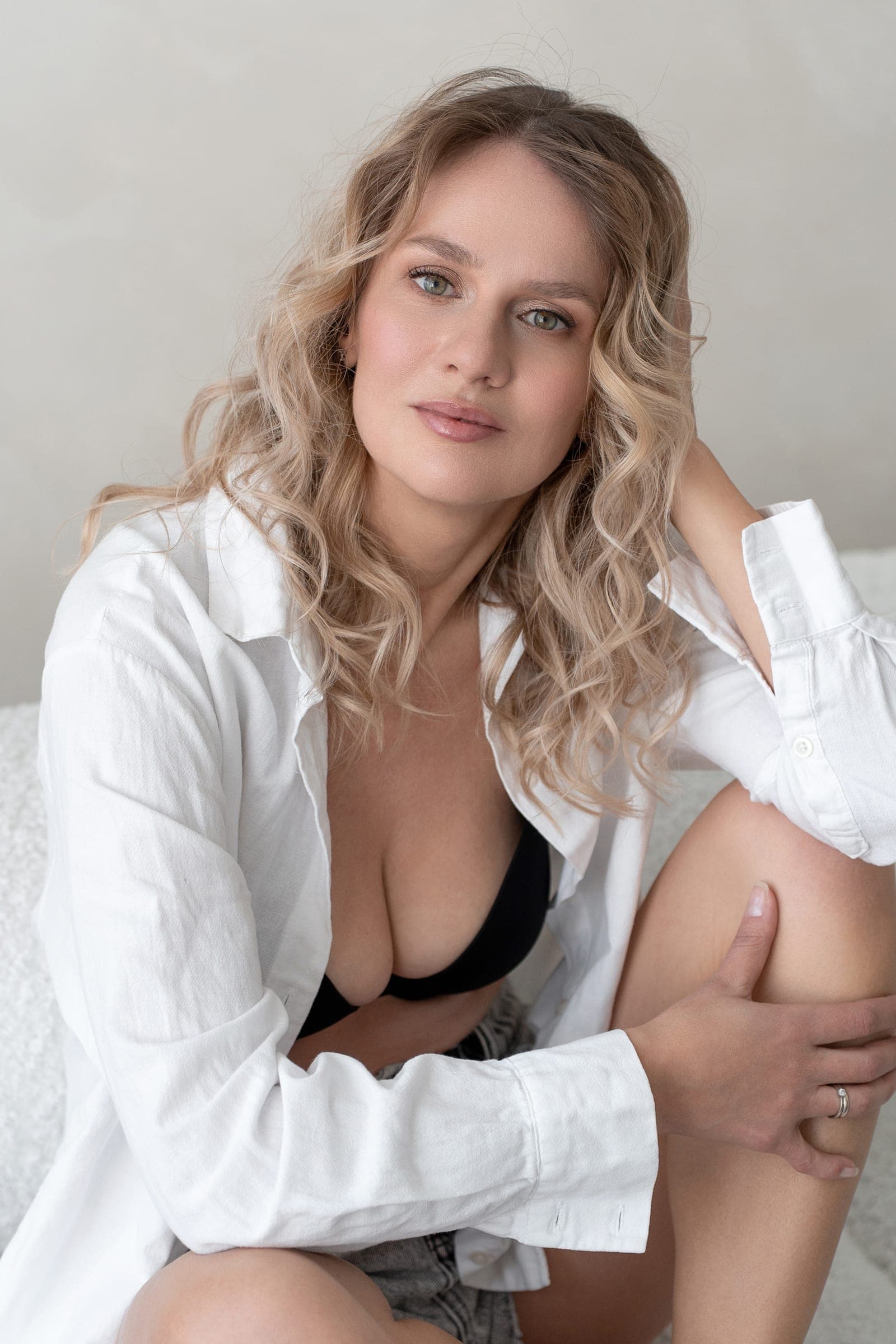
Most of the work on any session happens before the camera comes out. Clients sometimes ask what I am doing in the weeks between booking and the actual shoot day — partly because they want to know what is expected of them, and partly because the pace of preparation is different from what they may have experienced with other photographers.
The short answer is that I am doing the work that makes the shoot itself feel calm. The longer answer is below.
The first conversation
The first thing I want to know after someone books is not what they want to wear or where they want to shoot. It is what the images are for. A session for a website redesign is a different project than a session for a book launch, even if the wardrobe is identical. The end use shapes everything — composition, orientation, the ratio of close portraits to wider environmental shots, whether we need negative space for graphic overlays, and how much variety we should aim for.
This conversation usually happens by email or on a short call within a few days of booking. It does not need to be long, but it needs to be specific. "I want photos for my website" is a starting point; "I want a hero image for my homepage that works at a 16:9 crop, plus six to eight headshots for an Our Team page, plus three or four lifestyle images for blog posts and social" is the actual brief.
Wardrobe and styling
Wardrobe is the next conversation, and it is usually the one that takes the most time. I do not style clients myself, but I do guide the process closely — what colors will read well against the location backgrounds, what textures hold up under the kind of light we are likely to have, what silhouettes will work for the kind of compositions we are planning.
Most clients I work with bring three to five complete looks to a personal brand session, even if we end up using fewer than that. Bringing options is not about being indecisive; it is about giving us room to respond to how the day actually unfolds. The light at the second location may be cooler than expected. The mood may shift halfway through the morning. Having wardrobe flexibility lets us follow the day instead of fighting it.
Location scouting
For sessions outside a studio, I usually visit the locations a few days ahead — or at least at the same time of day we will be shooting, the week before. This is the part of preparation clients almost never see, and it is where a surprising amount of the final image quality is decided.
I am looking for things like: where is the light at 9 a.m. versus 11 a.m., what direction is the shadow falling, are there reflective surfaces I can use, where can we stand without picking up unwanted reflections in the background, what does the space sound like (a too-loud cafe makes direction harder), and how the space changes if there is foot traffic.
“Location scouting is not about finding "the perfect spot." It is about knowing the space well enough to make confident decisions in the moment, instead of figuring it out while the client is standing in front of the camera.”
The day before
Twenty-four hours before a shoot, I am doing two things: confirming logistics one last time, and clearing my head.
The logistics part is short — call sheet, arrival times, parking notes, weather check, backup plan if outdoor shoots need to move indoors. I send this to clients in a single message so they can find it without scrolling.
Clearing my head is harder to describe but it matters. I do not look at other photographers' work the night before a shoot. I do not redesign the brief. I trust the preparation I have already done and let the day be the day. Some of the best frames I have ever shot came out of moments I did not plan — and being mentally available to notice them is the actual job.
What this means for clients
The practical version of all this, from a client's perspective:
- Expect a thoughtful early conversation about end use.
- Expect specific guidance on wardrobe, not vague advice.
- Expect a clear call sheet the day before.
- Do not expect to be asked to "be creative" on the day. That is my job. Your job is to show up, be present, and trust that we have already made most of the hard decisions.
If you have a session coming up — with me or with someone else — and you have not had any of these conversations yet, that is worth raising with your photographer. Preparation that lives only in the photographer's head is preparation that may not survive the shoot day.